
Indoor Air Quality St. Louis
We will address your unique requirements, offer cost-effective solutions, and implement proven products to improve the indoor air quality in your home.
Living in and around a major city means living with the threat of air pollution. But did you know that the air inside your home can be even more polluted than the air outside? Poor indoor air quality can be harmful to your family and your home.
Ensuring healthy air quality in your home often requires taking proactive steps. Carpet, pets, bedding, cleaning products, inadequate ventilation, and high humidity levels can all increase some of the pollutants in your home. So, how do you determine the problem, and what can you do about it?


 Ann Rafferty2022-10-21Very friendly and professional, they do a great job!Sharon Shannon2022-10-13I am delighted with the service I received from the maintenance specialists while replacing the Thermocouple on my water heater. The work was done without issues and completed in less than 30 minutes. I will always recommend this company to anyone needing heating and cooling services. I would also like to mention how this company takes full accountability and responsibility if any repairs are not up to par. Not that I have had that experience. I read the reviews posted on BBB and was very impressed with how Thomas Hoffman and his team explained each situation and the subsequent resolution to the customer's satisfaction.Clark Vera2022-10-07They installed 2 large centralized air systems and did a spectacular job. The installation was professional, they had great respect for both the property and our family as they completed the work in several days. Cleaning was completed as if they had never been here.Breland David2022-10-06I had my gas ducted heating serviced by them did a fantastic job ! They were quick, friendly and provided great advice. honored the special offer price I received by email, even though the promotion had ended. That's great customer service and I will definitely book my next service with them again. Highly recommend !!



Causes of Poor Indoor Air Quality
Once you understand the underlying issues, taking charge of your home’s indoor air quality is easier. We often innocently bring things into our homes that negatively affect indoor air quality. In other cases, our habits contribute to the problem. Some of the common causes include:
- Household cleaning supplies – While it’s important to keep your house clean, some chemicals in certain cleaning supplies circulate in the air and cause indoor air pollution.
- Cigarette smoke – There are hundreds of chemicals in tobacco products. When emitted into your home, they disrupt your indoor air quality.
- Mold & Mildew – If moisture is in the air, mold or mildew is likely to grow inside your home. The longer these linger, the more spores are released into the air.
- Dust Mites & Pollen – Continuously compromise the air we breathe. Clutter, pets, and other things contribute to these issues.
- Chemicals – Polyurethane, formaldehyde, polybrominated biphenyl, to name a few. Chemicals are in many consumer products we bring into our homes, such as plastics, electronics, clothing, furniture, carpets, and more.
- Inadequate ventilation – Inadequate ventilation can increase air pollutant levels by not bringing in enough outdoor air to dilute emissions from indoor sources and not carrying indoor pollutants out of the house.
Symptoms of Poor Indoor Air Quality
Everyone is different; therefore, poor indoor air quality does not affect everyone similarly. People with asthma, allergies, and other respiratory issues are typically the first to develop symptoms associated with poor IAQ. The symptoms often manifest gradually and can easily be attributed to other causes.
Some of the signs to look for include:
- Dry skin
- Throat, nose, and eye irritations
- Rashes
- Persistent coughing when at home
- Headache and fatigue
- Dizziness and nausea
How to Improve Your Indoor Air Quality
First, you have to determine the problem and then take decisive action. At Thomas Hoffmann Air Conditioning & Heating, our experienced technicians can conduct an in-depth analysis of your home. We can identify indoor pollution’s source and cause, address your unique requirements, offer cost-effective solutions, and implement proven products.
Some of the air quality products and services that will improve your comfort and health include:
- Air purifiers
- Humidifiers
- Dehumidifiers
- UV lights
- Air filter systems
Trane Indoor Air Quality Products
The quality of your indoor air is just as important as the temperature. Cleaner air can limit exposure to viruses, asthma, and allergy-causing particles. Trane’s best indoor air quality solutions include:
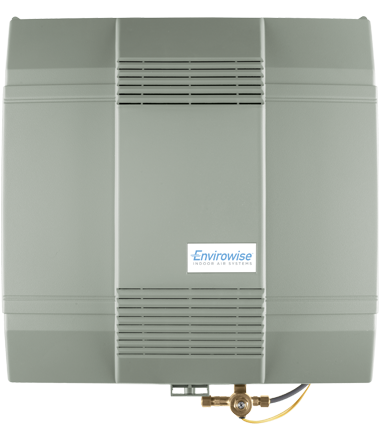
Power Humidifiers
- Dry home protection
- Moisturizing air
- When paired with Trane CleanEffects™ Air Cleaner technology, an Envirowise humidifier will alleviate dryness and provide the most advanced whole-house air filtration system.
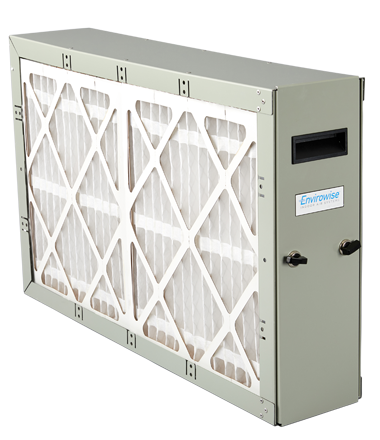
QuikBox™ Media Cabinet
- Efficient removal of household dust and allergens
- Sensible and affordable solution for all homes
- Available in a variety of sizes
- Easy to replace
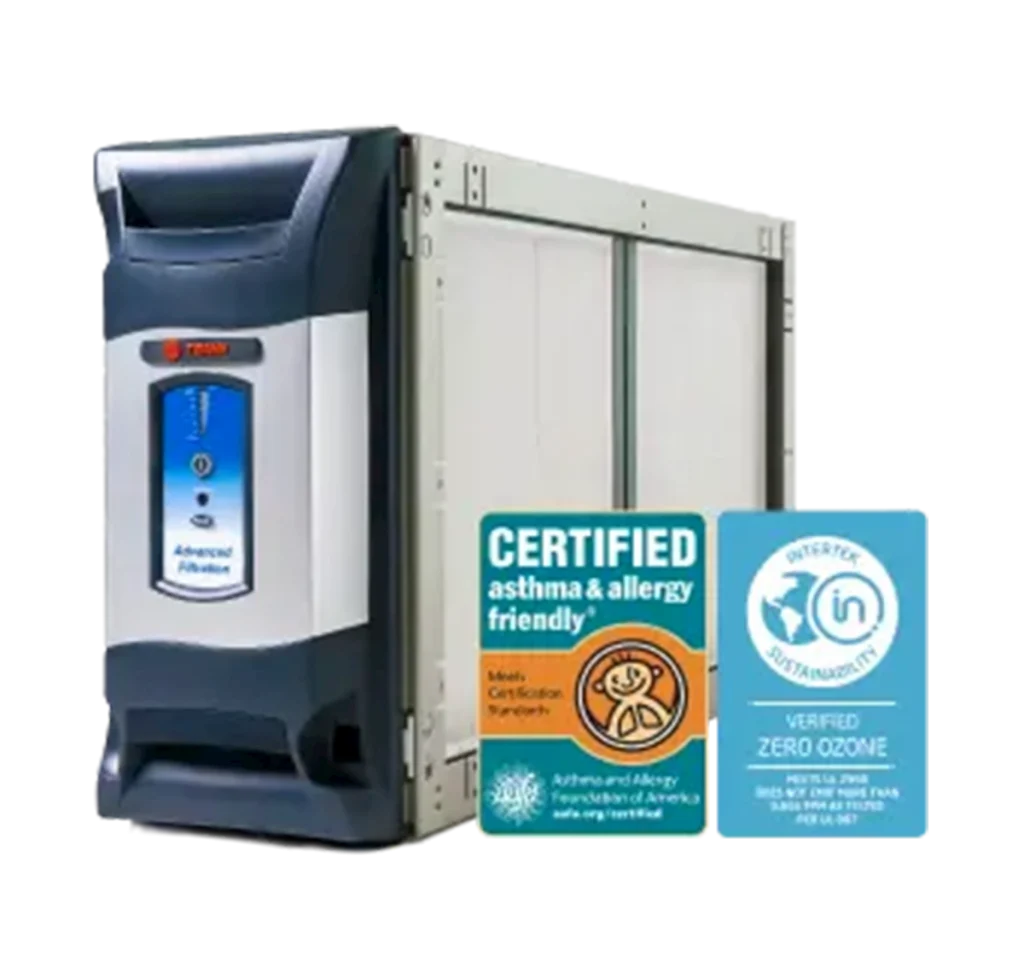
Trane CleanEffects™ Air Cleaner
- Highest efficiency
- Revolutionary technology that supplies your home with cleaner, healthier air
- Removes up to 99.98% of airborne particles
- Asthma & allergy friendly™
Indoor Air Quality St. Louis
If you are concerned about indoor air quality, contact Thomas Hoffmann Air Conditioning & Heating today! With over 30 years of experience in the HVAC industry and a master technician and mechanical engineer as our owner, we have comprehensive indoor air quality solutions.
24/7 Service Call Now
At Thomas Hoffmann Air Conditioning & Heating, we pride ourselves in being a locally owned and operated HVAC company. With more than 30 years of experience and a master technician and mechanical engineer as our owner, we can replace, repair, and provide maintenance for your business or home’s HVAC system.
(314) 471-7625